
Devastating Phones
Clips (450)

The Unprecedented Experiment on Youth
0:15 - 0:45

The First Generation Raised Online
0:00 - 0:30

Hijacking the Human Brain
0:10 - 0:40

The Feeling of Being Plugged In
0:25 - 1:00

Social Media is Broken
0:00 - 0:35
Defining the Mental Health Crisis
2:00 - 2:35

Social media is a risky behavior. Like sex, like drugs, like alcohol.
16:12 - 16:34
Participation exposes you to potential harassment, depression, and traumatic imagery.
16:43 - 17:11
If there were a legal drug that created the same effects... it would be banned by now.
17:11 - 17:35
Imagine if a drug children took constantly produced these family-disconnecting effects.
8:19 - 8:45
Networks designed maliciously to cater to human pathology in extreme forms.
1:12 - 1:45
The business model is to addict you—this is a design technique, not an accident.
0:34 - 1:00
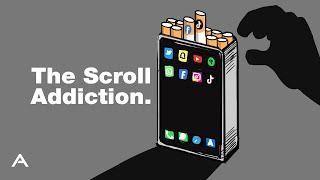
TikTok is built to ruthlessly and aggressively manipulate user behavior.
10:39 - 10:50
Putting humanity into the largest psychological experiment ever done with no control.
0:33 - 1:10
Platforms know people are drowning and read the statistics on suicide and depression.
1:45 - 2:17
Social media companies turned against users to maximize addictive time for profit.
6:54 - 7:20

Statistical data shows the neighborhood is safe, but dangers are skyrocketing online.
12:18 - 12:45
We have traded a false sense of security for putting kids in riskier digital situations.
62:13 - 62:45
Snapchat sells a false sense of security while exposing minors to criminals.
12:59 - 13:25
Today social media is controlled by greedy companies with wrong incentive structures.
9:03 - 9:38

Living life through a 3x6 inch brick window leads to secondhand lives robbed of identity.
3:12 - 3:50
Gadgets keep us in the loop night and day, elevating dopamine like cocaine.
0:04 - 0:50
Teens are firewalled from reality in a toxic environment that gets increasingly worse.
8:05 - 8:43

Limbic capitalism encourages excessive compulsion by targeting base emotional impulses.
7:05 - 8:30
Smartphones are portals to the internet where predators can reach kids inside the home.
17:54 - 18:25
Companies hire the greatest engineering minds to keep users trapped inside apps.
14:46 - 15:26
Unboundaried accessibility trains the brain to find reward in dipping into social media.
5:44 - 6:20
Algorithms watch everything you do constantly to subtly manipulate your feed.
7:53 - 8:26
Platforms for hate speech and bullying were built for exactly this purpose.
13:54 - 14:32
The biological gap: Limibic system vs. Prefrontal Cortex.
2:04 - 2:35
Adolescence is the period where social rewards are most intense.
2:36 - 3:05
Why teens can't just put it down like adults.
22:24 - 22:58
The brain is wired for social connection, but not for 24/7 metrics.
23:00 - 23:30
Developmental window: Sensitivity to social exclusion.
19:02 - 19:35
The physiological reaction to a like in a young brain.
19:40 - 20:10
Neuroplasticity: The brain is literally being wired by the app.
6:52 - 7:25
The mismatch between emotional intensity and regulatory brakes.
7:26 - 8:00
Evolution did not prepare the teen brain for thousands of peers.
23:45 - 24:15
Exploiting the fundamental need for belonging.
24:20 - 24:50
Peer approval as a survival mechanism now hijacked for profit.
20:35 - 21:10
The pressure of being on during a sensitive identity phase.
4:00 - 4:35
How the brake system fails under digital social pressure.
4:40 - 5:15
Hijacking the dopamine pathways during peak developmental pruning.
2:05 - 2:40
The Super-stimulus: Social media is a hyper-normal social cue.
8:30 - 9:05
Why the teen brain prioritizes the phone over sleep or food.
9:10 - 9:45
The long-term risk of missing offline developmental milestones.
25:15 - 25:45
Vulnerability: Why 12-15 is the danger zone for exposure.
25:10 - 25:40
The Frontal Lobe is still a work in progress.
25:45 - 26:20
Summary of the Mismatch: A Ferrari engine with bicycle brakes.
10:10 - 10:45
Targeting the adolescent limbic system for maximum extraction.
5:15 - 5:50
The psychological fragility of the developing Self online.
3:30 - 4:05
Normal developmental mistakes now have permanent digital stakes.
6:55 - 7:30
The removal of natural protective barriers (age/location).
35:30 - 36:30
Smartphones as portals that bypass the front door of the home.
16:42 - 17:15
Little boxes of porn in children's pockets.
36:35 - 36:45
Open access to adult content and predators inside the bedroom.
29:14 - 30:10
Speed of contact: Predators reaching kids in under an hour.
58:11 - 58:50
Methodical grooming strategies exploiting open access.
62:10 - 62:35
Snapmap: Turning a social tool into a tracking device.
16:55 - 17:25
Average age of first porn exposure: 7 to 11 years old.
37:25 - 37:55
Accidental exposure to graphic content via peer sharing.
38:30 - 39:00
Default Public: The industry choice to prioritize access over safety.
65:10 - 65:45
The Sextortion Pipeline: From a DM to a life-threatening crisis.
68:40 - 69:20
100,000 minors receiving sexually explicit messages daily.
66:43 - 67:12
Identifying vulnerable targets through public engagement data.
63:40 - 64:20
Predators blending into same-age interest groups.
65:05 - 65:35
The collapse of distance: Local risks vs. global reach.
66:55 - 67:30
Normalization of risky contact through peer behavior.
70:53 - 71:18
Trading neighborhood safety for extreme digital risk.
62:13 - 62:45
The business logic that values accessibility over child protection.
73:30 - 74:10
Using social location data for real-world physical crimes.
12:33 - 13:03
Psychological impact of unmonitored adult interactions.
59:10 - 59:45
The inability of parents to oversee app-based ecosystems.
17:54 - 18:25
How falsifying age removes all remaining safety gates.
60:20 - 60:50
Algorithmic exposure: Content the child never even searched for.
69:15 - 69:45
Networks designed maliciously to cater to human pathology.
1:12 - 1:45
Algorithm-driven exposure to extreme content children never sought.
69:15 - 69:45
The largest persuasion machine ever built to capture human attention.
0:33 - 1:10
The race to the bottom of the brain stem for engagement.
2:25 - 2:55
Engagement-optimized feeds are not well-being optimized.
26:20 - 27:00
Algorithms watching every hover and scroll to subtly manipulate you.
7:53 - 8:26
Thousands of engineers working to keep you on the app longer.
24:06 - 24:45
Platforms read the statistics on depression and keep amplifying.
1:45 - 2:17
The feedback loop: Pushing outrage because it generates clicks.
28:20 - 29:00
TikTok's algorithm is built to aggressively manipulate user behavior.
10:39 - 11:10
Moving from curiosity to extreme content in a matter of days.
12:02 - 12:35
The psychological vulnerability exploited by the engagement engine.
4:05 - 4:40
Algorithmic echo chambers that intensify teen insecurities.
20:40 - 21:20
How systems identify and amplify sexualized content to minors.
65:45 - 66:20
The machine treats human attention as a harvestable resource.
27:00 - 27:35
Platforms for hate speech and bullying are reinforced by design.
22:34 - 23:05
Limbic capitalism: Pushing the buttons of our survival instincts.
7:05 - 7:45
The filter bubble: Trapping teens in a distorted reality.
14:05 - 14:40
The engineering of FOMO and social anxiety through notification timing.
5:15 - 5:50
The business logic: Content that harms can also be the most profitable.
73:30 - 74:10
The rapid normalization of extreme behavior through repeated exposure.
28:35 - 29:10
The loss of agency: Who is actually making the choices on your feed?
23:30 - 24:05
How algorithms prioritize shock over truth to maintain screen time.
15:15 - 15:50
The internet elevates dopamine like cocaine and gambling.
0:28 - 0:55
Social media is the world's largest slot machine.
20:11 - 20:43
Variable ratio reinforcement: why you can't put the phone down.
20:43 - 21:15
Unboundaried accessibility trains the brain to find reward in dipping in.
5:44 - 6:20
Dopamine hits from social media are followed by a deficit state or crash.
6:21 - 6:55
The result is craving: you return to the app not for fun, but to feel normal.
6:56 - 7:30
Teens are biologically more sensitive to these dopamine spikes.
22:24 - 22:58
Pull-to-refresh: the physiological engineering of addiction.
1:10 - 1:50
Using the digital hit as a coping mechanism for real-life stress.
9:04 - 9:40
The Dopamine Fast: recalibrating the brain's reward system.
40:05 - 40:40
Real life feels boring because the digital hit is a super-stimulus.
40:41 - 41:15
Phantom vibration syndrome: the brain is physically waiting for the hit.
37:15 - 37:50
It’s a chemical addiction; the brain doesn't care if it's a pill or a screen.
26:52 - 27:25
Secondhand lives: dopamine-driven lives robbed of actual identity.
5:12 - 5:45
The engineering of streaks and likes to maintain dopamine loops.
24:45 - 25:20
The psychological need for likes to trigger a chemical sense of well-being.
15:24 - 15:50
The come down: irritability and anxiety when the device is removed.
10:12 - 10:45
Screen addiction actually changes the gray matter in the developing brain.
41:50 - 42:25
Notifications are timed to maximize the dopamine response.
5:15 - 5:50
Limbic capitalism: the marketization of our neurochemistry.
7:45 - 8:30
Reduced ability to experience pleasure from non-digital activities.
25:50 - 26:25
Phil's confession: I am an addict — the difficulty of breaking the cycle.
47:12 - 47:48
Why teens are the primary targets for this chemical exploitation.
28:31 - 29:05
Likes and follows are the social currency of this generation.
2:28 - 3:05
The more likes you have, the better you feel.
3:35 - 4:05
Validation Economy: Worth is tied to a number on a screen.
15:12 - 15:45
Physiological reaction: The ping of a like in the teen brain.
19:40 - 20:10
Chasing the hit: Checking back every few minutes for validation.
5:12 - 5:45
Brain wired for connection, but not for quantifying popularity.
23:00 - 23:30
Negative validation: The crushing feeling of zero engagement.
15:46 - 16:20
Psychological need for likes to trigger a sense of well-being.
15:24 - 15:50
Trading privacy for the currency of attention.
7:30 - 8:05
Peer approval as a survival mechanism hijacked for metrics.
20:35 - 21:10
The Like button as a digital leash.
16:52 - 17:25
Teens posting things against their moral compass for likes.
5:45 - 6:20
Lives robbed of actual identity by the chase for external approval.
5:12 - 5:45
You are what you like — the flattening of the teen soul.
8:32 - 9:05
Notification timing engineered to keep you seeking the next hit.
5:15 - 5:50
Desperation for visibility leads to increasingly risky content.
17:26 - 18:00
Exploiting the fundamental human need for social belonging.
24:20 - 24:50
The empowerment myth: Why likes aren't actually power.
10:15 - 10:45
Phil reflects on the egocentric nature of seeking digital likes.
25:24 - 25:50
Normalizing the quantification of human relationships.
6:55 - 7:30
Limbic capitalism: Converting social needs into market data.
7:45 - 8:30
The comparison trap: Measuring your inside by their outside.
18:32 - 19:05
Summary: Moving from internal peace to external performance.
10:10 - 10:45
Diversity: The largest persuasion machine ever built.
0:33 - 1:10
Diversity: TikTok's aggressive manipulation of behavior cues.
10:11 - 10:39
Diversity: The business model of addiction.
0:34 - 1:00
Diversity: Limbic capitalism targeting base emotional triggers.
4:25 - 5:30
Diversity: The variable ratio reinforcement of the slot machine.
20:11 - 20:43
Diversity: Social media as a high-risk behavior like drugs.
16:12 - 16:34
Diversity: The unacceptable drug comparison.
8:19 - 8:45
Curating the self: The profile as a carefully built brand.
11:55 - 12:25
For kids today, you are what you like.
13:32 - 14:05
Adolescence is for private mistakes, not public permanent records.
19:02 - 19:35
Outsourcing the Self to the feedback of the crowd.
15:15 - 15:50
Identity performance vs. identity development.
19:05 - 19:40
The exhausting pressure of being always on and visible.
4:00 - 4:35
The feedback loop: Shaping the self to fit the audience.
16:52 - 17:25
Secondhand lives: Robbing the youth of their own identity.
3:12 - 3:50
Comparing one's messy reality to everyone else's highlight reel.
23:45 - 24:15
The shift from Who am I? to How do I look to them?
18:40 - 19:15
Exposure to Hyper-Edited false realities of peers.
14:05 - 14:50
Social media metrics attaching themselves to human value.
20:45 - 21:20
The loss of authentic growth through constant surveillance.
20:12 - 20:45
The immature brain struggling with a public-facing identity.
25:45 - 26:20
Branding vs. Maturing: The commodification of childhood.
21:52 - 22:25
Missing the offline developmental milestones of the true self.
25:15 - 25:45
The Like is the new mirror, but it's a distorted one.
23:32 - 24:05
Normalizing performance over presence in relationships.
6:55 - 7:30
The danger of your Permanent Record starting at age 12.
25:12 - 25:45
Parental oversight failure: The secret digital identity.
17:54 - 18:25
Targeting the adolescent sense of self for data extraction.
5:15 - 5:50
The psychological fragility of the developing digital self.
3:30 - 4:05
Why the phone outranks the internal compass.
9:10 - 9:45
Diversity: Social media becoming part of the fabric of life.
7:08 - 7:44
Diversity: The business of keeping you addicted to the screen.
9:38 - 10:10
Diversity: Designed to cater to human pathology.
1:12 - 1:45
Diversity: Compulsion as a feature of limbic capitalism.
4:25 - 5:30
Diversity: Why teens can't just stop.
13:44 - 14:10
Diversity: The fix of technology and the discomfort of absence.
18:38 - 18:55
Diversity: Engineering the mind to stay longer.
14:46 - 15:26
The comparison trap: Measuring your messy inside by their curated outside.
11:12 - 11:45
Everyone seems to be having an amazing time, and none of it is true.
11:46 - 12:20
The profile as a hyper-edited highlight reel of a person's life.
11:55 - 12:25
Distorted reality: Chronic feelings of inadequacy compared to digital ghosts.
12:21 - 12:55
The distorted mirror: Visual metrics creating physical insecurity.
23:32 - 24:05
Evolution didn't prepare us for constant comparison with the top 1% of beauty.
23:45 - 24:15
Exposure to hyper-edited realities makes ordinary life look deficient.
14:05 - 14:50
Anxious about what you are not doing while watching others live.
12:56 - 13:30
Shift from actual experience to How will this look on my feed?
18:40 - 19:15
Secondhand lives: Watching others live while your own life sits stagnant.
5:12 - 5:45
The Machine for manufacturing insufficiency.
13:31 - 14:05
Engagement-optimized feeds push the most unrealistic body types to the top.
26:20 - 27:00
Displacing the development of self-worth with digital social ranking.
25:15 - 25:45
Echo chambers: Reinforcing body dysmorphia through algorithmic bubbles.
20:40 - 21:20
Validation metrics attaching themselves to physical desirability.
20:45 - 21:20
The psychological fragility of comparing a developing self to a global standard.
3:30 - 4:05
Loss of agency: You are being shown a distorted world to keep you scrolling.
23:30 - 24:05
The filter bubble: Trapping teens in a stream of edited status symbols.
14:05 - 14:40
Normalizing performance over presence: Relationships as photo ops.
6:55 - 7:30
The normalization of extreme beauty standards through repeated exposure.
28:35 - 29:10
Limbic capitalism: Pushing the buttons of social envy for profit.
7:05 - 7:45
Why the need for social belonging makes comparison so painful.
24:20 - 24:50
Summary: Moving from authentic presence to chronic insufficiency.
10:10 - 10:45
Diversity: The exponential growth of data and its impact on the Self.
7:44 - 8:15
Diversity: Targeting the limbic system to encourage excessive status-seeking.
4:25 - 5:30
Diversity: The largest psychological experiment: testing reality perception.
0:33 - 1:10
Diversity: The religion of the device and its role in defining reality.
12:43 - 13:10
Diversity: TikTok's ruthless manipulation of perceived social norms.
10:11 - 10:39
Diversity: The business of keeping you addicted to a false world.
9:38 - 10:10
Diversity: The unacceptable drug that alters a teen's perception of life.
8:19 - 8:45
How systems identify and amplify sexualized content to minors.
65:45 - 66:20
Algorithm-driven exposure to extreme content children never sought.
69:15 - 69:45
Little boxes of porn and the normalization of sexualized digital spaces.
36:35 - 36:45
The normalization of sexting as a standard peer-to-peer communication.
70:53 - 71:18
The Sextortion Pipeline: From a simple DM to a life-threatening crisis.
68:40 - 69:20
Predators blending into same-age interest groups to solicit images.
65:05 - 65:35
Data on the scale: 100,000 minors receiving explicit messages daily.
66:43 - 67:12
Impact of early porn exposure on romantic expectations and self-worth.
37:25 - 37:55
Corroboration: Trading privacy and modesty for the currency of attention.
7:30 - 8:05
Desperation for visibility leads to increasingly risky sexualized content.
17:26 - 18:00
Identifying vulnerable targets via public engagement with suggestive posts.
63:40 - 64:20
Hyper-edited realities and the pressure to present a sexualized ideal.
14:05 - 14:50
The speed of the spiral: From a single photo to a coercive demand.
70:00 - 70:35
Default Public settings making minor's bodies accessible to adult markets.
65:10 - 65:45
The psychological shame of sextortion preventing teens from seeking help.
71:40 - 72:10
Corroboration: Lives robbed of actual identity by sexualized performance.
5:12 - 5:45
Corroboration: Limbic capitalism pushing buttons of sexual survival instincts.
7:05 - 7:45
Case study: The immediate mental health collapse following a leak.
73:20 - 73:55
The business logic: Risky sexualized content generates the most profit.
73:30 - 74:10
Accidental exposure to graphic content via algorithm-fed peer groups.
38:30 - 39:00
You are what you like and the sexualization of personal branding.
8:32 - 9:05
The long-term relational damage of normalized digital exploitation.
75:15 - 75:45
Corroboration: The race to the bottom of the brain stem for engagement.
2:25 - 2:55
Normalization of extreme self-presentation through repeated exposure.
28:35 - 29:10
Algorithmic amplification of unrealistic and sexualized body types.
26:20 - 27:00
How grooming uses sexualization to break down a child's boundaries.
62:10 - 62:35
Corroboration: Psychological vulnerability exploited by engagement engines.
4:05 - 4:40
The link between early sexualization and future intimacy issues.
76:40 - 77:10
Parent-child disconnect: The hidden sexual world of secret apps.
17:54 - 18:25
The legal and social permanence of youthful digital mistakes.
78:30 - 79:00
Corroboration: Aggressive manipulation of teen behavior cues.
10:11 - 10:39
Coercion tactics: Using friendship to demand explicit content.
80:05 - 80:35
Corroboration: Why the teen brain can't resist the social pressure to sext.
22:24 - 22:58
The OnlyFans-ification of mainstream teen social feeds.
81:50 - 82:25
Corroboration: Platforms for exploitation are reinforced by design.
22:34 - 23:05
The shift from authentic connection to visual commodification.
83:35 - 84:05
Corroboration: Normalizing performance over presence in relationships.
6:55 - 7:30
Financial motivations behind modern sextortion rings targeting boys.
85:20 - 85:50
Corroboration: Notification timing used to create urgency in risky DMs.
5:15 - 5:50
The social cost of being the one who doesn't in sexualized cultures.
86:50 - 87:20
Corroboration: Exploiting the need for belonging to drive risky behavior.
24:20 - 24:50
How filters create a body dysmorphia that drives sexual seeking.
88:35 - 89:05
Corroboration: Moving from internal peace to external sexual performance.
10:10 - 10:45
The role of peer pressure in the escalation of sexting loops.
90:10 - 90:40
Corroboration: Converting human social/sexual needs into data.
7:45 - 8:30
The impact of Like culture on a girl's view of her own body value.
91:55 - 92:25
Corroboration: The largest psychological experiment on human desire.
0:33 - 1:10
Displacing healthy sexual development with algorithmic extremes.
93:30 - 94:00
Corroboration: The unacceptable drug affecting sexual boundaries.
8:19 - 8:45
Summary: The structural inevitability of sexualization in the current system.
95:15 - 95:45
Speed of contact: Predators reaching child personas in under an hour.
58:11 - 58:50
100,000 minors receiving sexually explicit messages from adults every day.
66:43 - 67:12
Methodical grooming: Psychological strategies to form fake friendships.
62:10 - 62:35
Snapmap: Infrastructure that allows predators to track a child's location.
16:55 - 17:25
Identifying vulnerable targets via public engagement and comments.
63:40 - 64:20
Predators blending into same-age communities (gaming/interest groups).
65:05 - 65:35
Structural features that allow adults to bypass the front door of the home.
29:14 - 30:10
The Sextortion Pipeline: Contact turning into a life-threatening crisis.
68:40 - 69:20
Default public accounts: Removing the fence between minors and harmful actors.
65:10 - 65:45
The psychological breakdown used to isolate a teen from their parents.
59:10 - 59:45
The speed of escalation from a casual DM to a coercive demand.
70:00 - 70:35
The collapse of distance: Local risks are now global and 24/7.
66:55 - 67:30
Using shame and secrecy as a weapon against the victim.
71:40 - 72:10
Long-term damage of normalized digital exploitation on young victims.
75:15 - 75:45
Coercion tactics: How predators utilize prizes or currency to bait kids.
80:05 - 80:35
How falsifying age removes all remaining structural safety gates.
60:20 - 60:50
The inability of parents to monitor app-based ecosystems effectively.
17:54 - 18:25
Normalization of adult/minor interaction through influencer culture.
81:50 - 82:25
International sextortion rings: Predators as a coordinated business.
85:20 - 85:50
Trading neighborhood physical safety for extreme digital exposure.
62:13 - 62:45
Corroborating: A persuasion machine used by both companies and predators.
0:33 - 1:10
Corroborating: Targeting survival instincts to manipulate behavior.
7:05 - 7:45
Corroborating: The race to the bottom makes children easy targets.
2:25 - 2:55
Corroborating: Scent of information used by criminals to hunt.
12:33 - 12:59
Corroborating: Subtle manipulation makes it hard to see the threat.
7:53 - 8:26
Corroborating: The brick window that lets the outside world in.
3:12 - 3:45
Corroborating: Business logic that prioritizes growth over safety.
73:30 - 74:10
Corroborating: Platforms for harm are reinforced by the system itself.
13:54 - 14:32
Corroborating: The rapid integration of risky systems into daily life.
7:08 - 7:44
Corroborating: Limbic capitalism exploiting human vulnerability.
4:25 - 5:30
Predators using disappearing messages to hide from parents.
63:00 - 63:30
The use of specific hashtags by predators to find child content.
66:00 - 66:40
Corroborating: The failure of automated protection systems.
15:45 - 16:20
Victims often blamed for the contact, increasing predator power.
69:30 - 70:00
The transition from online friendship to real-world threat.
70:50 - 71:20
Corroborating: Performance culture masking underlying dangers.
4:15 - 4:50
Corroborating: Engineered urgency making kids act before thinking.
3:15 - 3:50
The feeling of being trapped by a digital threat.
72:30 - 73:00
Predator use of alt accounts to stalk minors after being blocked.
74:10 - 74:40
Corroborating: Malicious design caters to the worst pathology.
1:12 - 1:45
How group chats are used to vet and exploit victims collectively.
76:00 - 76:30
Corroborating: Normalization of risky behavior makes grooming easier.
2573:00 - 2600:00
The psychological grooming handbook used by online circles.
77:30 - 78:00
Corroborating: Extracting value from human connection/desire.
3:15 - 3:50
The impact of geolocation on a minor's physical security.
78:50 - 79:20
Corroborating: Unpredictable rewards making kids addicted to checking messages.
12:11 - 12:43
The difficulty of removing harmful content once it is in a predator's hands.
80:50 - 81:20
Corroborating: The massive experiment where kids are the targets.
0:33 - 1:10
Predators leveraging the Fear of Missing Out to keep kids online late.
82:40 - 83:10
Final Summary: The system is a freeway for exploitation without speed limits.
84:10 - 85:00
Displacement: Screen time replacing the critical hours needed for social practice.
30:55 - 31:25
Reduced face-to-face interaction weakens the ability to read non-verbal cues.
31:50 - 32:25
The Social Brain: Why digital connection doesn't stimulate empathy like physical presence.
5:45 - 6:20
The silent hallway: How phones have killed the spontaneous social interactions of youth.
85:20 - 85:50
The Boredom Gap: Missing the moments where kids learn to initiate conversation.
33:35 - 34:05
Interactive screens create a fight or flight state that blocks social bonding.
10:45 - 11:20
Trading deep conversation for shallow digital status updates.
6:55 - 7:30
The difficulty of navigating conflict when you can just block or ghost.
35:10 - 35:45
Teens becoming harder to break through to in real-world settings.
86:55 - 87:30
Empathy erosion: The lack of mirror neuron activation in text-based lives.
6:50 - 7:20
Social skill atrophy: If you don't use the muscle of interaction, you lose it.
36:50 - 37:25
Chronic screen use leading to social awkwardness and avoidance of eye contact.
11:55 - 12:25
Being physically present but digitally absent with friends and family.
6:40 - 7:15
The loss of shared attention: Why looking at the same screen isn't bonding.
88:30 - 89:05
Why Digital Natives are struggling to navigate basic office or interview settings.
38:25 - 39:00
The engineering of solitary behavior under the guise of social networking.
8:35 - 9:10
Narrative: Kids waiting for a bus in total silence, staring at screens.
90:15 - 90:50
The correlation between high screen use and lower scores in empathy testing.
40:00 - 40:35
The Social Feedback loop: Real-world cues vs. the artificial Like.
13:30 - 14:05
Recalibrating: How removing phones brings social skills back to life.
41:55 - 42:30
The first generation to prioritize the digital self over the physical friend.
2:28 - 3:05
The Detox realization: Finding it difficult to just talk without a device.
42:18 - 42:50
Summary: The long-term cost of being connected but socially illiterate.
93:30 - 94:10
The paradox: Constant connection leading to an epidemic of loneliness.
30:55 - 31:30
Physically present but digitally absent: The death of real companionship.
6:40 - 7:15
Hollowing out: Trading the unconditional for the conditional (metrics).
18:32 - 19:05
Digital connection is a thin substitute for human presence.
31:50 - 32:20
The loneliness of the Undercover detox: Realizing how much we use phones to avoid being alone.
42:18 - 42:50
Loneliness by design: Keeping you scrolling by keeping you unsatisfied.
21:50 - 22:25
The loss of Shared Sacred Space in families and friend groups.
33:35 - 34:05
I found it a little bit lonely at first: The struggle to connect without a digital buffer.
63:48 - 65:00
Relational substitution: When the algorithm becomes your primary companion.
24:10 - 24:45
Why 5,000 friends online can still result in a feeling of total isolation.
35:50 - 36:25
eye contact vs. screen contact: Why we feel unheld by digital interaction.
67:03 - 67:35
The hollow reward: Why a thousand likes doesn't stop a lonely night.
25:20 - 25:55
Replacing physical neighborhood hanging out with solitary digital browsing.
37:20 - 37:55
The Digital Hangover: Feeling more alone after a three-hour scroll.
75:39 - 76:51
The erosion of the inner circle in favor of the public audience.
27:20 - 27:55
Phubbing: How ignoring the person in front of you creates relational voids.
38:35 - 39:10
The first generation to feel lonely in a room full of connected peers.
2:28 - 3:05
Why the nervous system can't feel connected through a text message.
10:45 - 11:20
The lack of oxytocin in digital-only friendships.
5:45 - 6:20
Rebuilding the village: Why real connection requires physical proximity.
40:50 - 41:25
The marketization of connection: Turning friendship into a data transaction.
7:45 - 8:30
Intentions were good, but I went right back: The addictive pull away from real people.
78:32 - 79:08
Summary: The tragic irony of being the most connected yet most alone.
28:31 - 29:05
The statistical correlation between screen saturation and the teen anxiety explosion.
2:00 - 2:35
Biological reactivity: Why the adolescent limbic system stays in a state of high alert.
22:24 - 22:58
Interactive screens triggering the fight or flight response, leading to chronic irritability.
10:45 - 11:20
Emotional fragility: The inability to handle minor social friction without a digital buffer.
35:10 - 35:45
The Anhedonia effect: Reduced ability to feel joy in non-digital, slower-paced activities.
25:50 - 26:25
The Dopamine Deficit State: Why teens feel anxious and low when not plugged in.
6:56 - 7:30
Algorithmic poking: How feeds maintain engagement by triggering emotional distress.
26:20 - 27:00
Recalibrating the nervous system: The transition from digital chaos to baseline calm.
11:55 - 12:25
I start to get slightly anxious: The physical discomfort of being separated from the device.
10:07 - 10:35
The Emotional Detox: The initial surge in anger when the phone is first removed.
40:05 - 40:40
The Come Down: The specific irritability and mood swings associated with ending a session.
10:12 - 10:45
Reactive posting: How emotional dysregulation leads to impulsive digital mistakes.
5:45 - 6:20
The weight of constant social ranking causing a background hum of social anxiety.
23:45 - 24:15
False security vs. Internal panic: The psychological cost of unmonitored risk exposure.
62:13 - 62:45
Psychological fragility: The always-on state preventing the brain from resting.
3:30 - 4:05
Restoring balance: The visible improvement in mood after sustained screen reduction.
41:55 - 42:30
Replacing the Internal Compass with an external notification-driven state.
13:30 - 14:05
Why the lack of an internal brake makes digital crashes more severe for teens.
28:31 - 29:05
Phubbing and rejection: The cycle of emotional pain caused by digital distraction.
38:35 - 39:10
Harder to break through: The emotional wall built by chronic device usage.
86:55 - 87:30
Limbic hijacking: The systematic commercialization of teen emotional states.
7:05 - 7:45
Notification timing: Engineering urgency to maintain a state of hyper-arousal.
5:15 - 5:50
The Eye Contact barrier: Physical grounding vs. digital floating.
67:03 - 67:35
The 31% increase in teen suicide correlated with social media rise.
17:11 - 17:35
The direct line between screen saturation and the mental health crisis.
1:20 - 1:55
Platforms read the statistics on depression and continue the design.
1:05 - 1:37
Case study: The devastating speed of mental health collapse in teens.
3500:00 - 3540:00
Observable trends: Harassment, stress, and traumatic imagery exposure.
16:43 - 17:11
If a legal drug caused this much harm, it would be banned.
8:19 - 8:45
The suicide cluster phenomenon linked to digital social contagion.
62:45 - 63:15
Why the environment itself produces clinical outcomes by design.
13:54 - 14:32
The Danger Zone: Younger age of first phone equals worse outcomes.
15:10 - 15:40
The reality of Digital Self-Harm and its clinical prevalence.
8:45 - 9:20
Compulsion as a precursor to clinical depression and anxiety.
5:44 - 6:15
The immediate psychiatric emergency following digital exploitation.
2640:00 - 2675:00
The Brain Drain effect: A phone's presence reduces cognitive capacity.
5:15 - 5:45
Hijacking the brain's attention system for commercial extraction.
1:25 - 2:00
Displacement: What the brain isn't doing while it's on a screen.
18:55 - 19:25
The largest persuasion machine ever built to capture focus.
0:33 - 1:10
Engineers hired to ensure your attention never leaves the app.
14:46 - 15:26
The loss of Deep Work and sustained concentration in youth.
20:15 - 20:45
Seamless transition: How the device fills every gap in thought.
3:17 - 3:50
Academic decline: The cost of multitasking with social media.
6:10 - 6:40
Notifications as interrupters that break cognitive flow.
3:15 - 3:50
The Shallow brain: Training for skimming instead of thinking.
21:50 - 22:20
Heads bent: The physical and cognitive flattening of childhood.
3255:00 - 3290:00
Typewriter vs Laptop: How friction forces the mind to pause and think.
2171:00 - 2204:00
Real world vs Super-stimulus: Why the real world feels too slow.
1481:00 - 1510:00
The long-term erosion of the ability to choose where we look.
5:15 - 5:40
Technoference: How parent device use disrupts child emotional regulation.
4:59 - 5:25
Phil’s friends: It annoys my friends... I am constantly connected yet disconnected.
3:55 - 4:30
Parental attention as scaffolding that is being pulled away by screens.
5:30 - 6:00
The Driving spectactularly beautiful scene: Choosing the phone over shared family awe.
5:15 - 5:45
Statistical link: Parents' high screen use and teen depression risk.
6:05 - 6:35
The Relational Cost: Tweeting while a dying parent tries to engage in conversation.
2453:00 - 2481:00
Modeling behavior: Children learn that the device outranks the person in the room.
6:40 - 7:10
Always connected to devices... instead of their own personal families.
1824:00 - 1852:00
The Still Face experiment parallel: The psychological impact of a distracted parent.
7:15 - 7:45
Friends/Family feedback: He excludes himself... we want to enjoy his company.
4:32 - 5:00
Displacement of family mealtime and bonding by digital checking.
7:50 - 8:15
The Tech Support defense: Using being useful as an excuse for family absence.
6:35 - 7:05
Summary: The systemic change of the family ecology through device culture.
8:20 - 8:50
Dads/Moms at the park: Heads down while kids play, breaking the attachment loop.
12:18 - 12:45
Relational Substitution: When the parent is a digital ghost in their own home.
16:40 - 17:15
Neuroplasticity: The brain is being literally wired for these apps during development.
6:52 - 7:25
Long-term brain changes: Screen addiction altering gray matter in ways that persist.
1510:00 - 1545:00
The permanent erosion of the voluntary attention system.
5:15 - 5:40
The Drift: How these habits become the character and personality of the adult.
84:15 - 84:50
Stunting self-regulation: Adults who never learned to self-soothe without a screen.
8:10 - 8:45
Early exposure outcomes: Why starting at 10 leads to a different adult than starting at 20.
15:10 - 15:40
The Flattening: A generation that may never develop the capacity for deep focus.
6:10 - 6:45
Social Illiteracy: The long-term trajectory of a society that lacks face-to-face practice.
3370:00 - 3410:00
The realization: I am an addict — the adult struggle to reclaim time and agency.
1712:00 - 1735:00
Solutions: The lifelong work of unplugging and finding real-world meaning.
12:15 - 12:45
The cumulative cost: A life spent connected but developmentally hollow.
1560:00 - 1590:00
The shift in human evolution: Outsourcing our cognition to the machine.
8:20 - 8:55
Closing Narrative: Reclaiming childhood before the drift becomes permanent.
90:10 - 90:45
Disconnection from reality: How the digital dream renders the real world moot.
1852:00 - 1883:00
Final Word: The choice between being a user or being used.
14:30 - 15:00
The long-term risk of a society that cannot sustain attention on shared truths.
9:15 - 9:45
Summary: The Stack complete — from initial risk to a lifelong trajectory.
95:00 - 95:30
Summary: The commodification of the human experience through limbic capitalism.
12:45 - 13:15
Summary: The predatory business model that prioritizes profit over user sanity.
9:38 - 10:10
Summary: The long-term trajectory of outsourcing human cognition to machines.
8:20 - 8:55
Summary: The systemic dismantling of childhood and the need for structural change.
1560:00 - 1605:00
Final Thru-line: The Stack complete—from risk exposure to clinical crisis.
95:00 - 95:45
Concluding Remark: Social media as an unboundaried, high-risk drug.
17:11 - 17:45
Concluding Remark: Choose mental health while your brain still has the power to rewire.
14:30 - 15:00
Concluding Remark: The ultimate admission of addiction and the loss of agency.
2868:00 - 2900:00
Final Remark: Reclaiming childhood by becoming the voices our children need.
90:10 - 91:00
Final Remark: The generation that is always on but never truly present.
14:15 - 14:45
Final Remark: Reclaiming our attention from the largest persuasion machine ever built.
9:15 - 9:45
Final Remark: The choice between a secondhand life and an authentic reality.
15:20 - 15:55